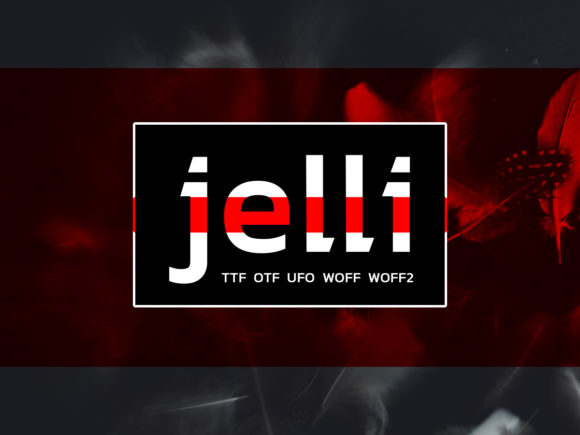
Jelli: A Minimalist Sans Serif Font for Modern Web Design
In the fast-paced world of digital product creation, typography is rarely just about making words legible. It is the primary vehicle for brand tone, visual hierarchy, and user trust. As web designers and UI specialists, we constantly search for typefaces that balance personality with performance. Jelli emerges as a compelling solution in this space. This incredibly unique and minimalist sans serif font offers a clean aesthetic that allows creative ideas to stand out without overwhelming the interface. When integrating a new typeface into a design system, the goal is always to enhance the user experience, and Jelli delivers on that promise through its distinct character and versatility.
Defining the Visual Personality of Jelli
Jelli distinguishes itself within the crowded market of fonts by mastering the art of subtraction. Its minimalist approach does not mean it lacks character; rather, every curve and stroke is intentional, removing unnecessary noise to focus on clarity. For a web designer, this translates to a typeface that feels modern and sophisticated. The geometric foundations of Jelli provide a stable structure, while subtle quirks in the letterforms inject a sense of humanity often missing in sterile corporate fonts.
This balance makes Jelli an excellent choice for brands aiming to project professionalism alongside creativity. Whether you are building a SaaS dashboard or a boutique online store, the font's neutral yet engaging presence ensures that the content remains the hero. It avoids the aggressive boldness of some display fonts and the excessive ornamentation of a script font or handwritten font, settling comfortably into the role of a reliable, high-quality premium font for digital interfaces.
Strategic Applications in Digital Layouts
The true test of any creative font is how it performs across various digital touchpoints. Jelli shines particularly bright in areas requiring immediate visual impact. In website headers and hero sections, its clean lines command attention without causing visual fatigue. When used for logo design, the unique characteristics of Jelli help establish a memorable brand identity that scales well from a favicon to a large billboard.
For landing pages and conversion-focused layouts, typography plays a critical role in guiding the user's eye. Jelli works exceptionally well for section headings and call-to-action buttons. Its readability ensures that users can scan information quickly, a crucial behavior in today's short-attention-span economy. Consider a product landing page for a tech gadget; using Jelli for the headline creates a sleek, futuristic vibe, while its application in button text ensures the CTA is clear and inviting.
Beyond standard web pages, Jelli is highly effective for social media graphics and digital ads. In these constrained spaces, a display font that remains legible at smaller sizes is invaluable. Whether overlaying text on a complex image in an Instagram story or creating a banner for an online course sales page, Jelli maintains its integrity. It also serves well in editorial design contexts within blogs, where pull quotes and subheadings need to break up long-form content effectively.
Enhancing Readability and User Experience
Readability is the cornerstone of good web design. A beautiful font is useless if users struggle to read it on their devices. Jelli's open apertures and generous spacing contribute to excellent legibility, even on small mobile screens. When designing responsive layouts, it is essential to test how a sans serif font renders at different breakpoints. Jelli tends to hold up well, preventing characters from blurring together on low-resolution displays.
Contrast is another vital factor. Jelli performs admirably on both light and dark backgrounds. On dark modes, which are increasingly popular in app design, the solid strokes of Jelli prevent the "halo" effect that plagues thinner typefaces. However, when using Jelli over image overlays, designers should ensure sufficient contrast ratios are met to maintain accessibility standards. For body copy, while Jelli is primarily a display face, lighter weights can be used for short paragraphs in marketing materials, though pairing it with a dedicated text font is often the safer bet for long articles.
Mastering Font Pairing for Brand Identity
No font exists in a vacuum. The power of Jelli is often unlocked through strategic font pairing. Because Jelli is a minimalist sans serif, it pairs beautifully with a wide range of complementary typefaces. For a modern, tech-forward look, pair it with a monospaced font for code snippets or data tables. This combination reinforces a sense of precision and engineering.
Alternatively, to create a more humanized and approachable brand voice, consider pairing Jelli with a warm serif font. This juxtaposition is classic in editorial design and works wonders for coaching websites or lifestyle blogs. The serif adds tradition and authority, while Jelli keeps the interface feeling fresh and current. Avoid pairing it with another overly decorative script font unless you are aiming for a very specific, high-energy aesthetic, as this can sometimes lead to visual clutter. The goal is always harmony; let Jelli handle the structural heavy lifting while the secondary font adds flavor.
Practical Implementation Tips
When integrating Jelli into your design assets, keep the following technical considerations in mind:
- File Formats: Ensure you have access to web-ready formats like WOFF and WOFF2 to optimize loading times. Fast load speeds are critical for SEO and user retention.
- Weights and Styles: Check the included weights. Having a range from Light to Bold allows for nuanced visual hierarchy without needing to introduce additional fonts.
- Licensing: Always verify the commercial license terms. Whether you are building a site for a client, an online store, or a digital template for sale, understanding the scope of the commercial font license prevents legal issues down the road.
- Multilingual Support: If your project targets a global audience, confirm that Jelli supports the necessary character sets and glyphs for your target languages.
In conclusion, Jelli represents a thoughtful addition to any digital designer's toolkit. It bridges the gap between artistic expression and functional utility. By choosing a typeface that prioritizes clarity and modern aesthetics, you elevate the entire user journey. From the first glance at a hero banner to the final click on a checkout button, Jelli ensures that your message is delivered with style and precision. Embrace this minimalist sans serif to craft digital experiences that are not only visually striking but also deeply effective.