Jengkol Font: The Perfect Handwritten Typeface for Crafters
As a small shop owner who spends hours perfecting product labels and designing invitations, I know that the right typeface can make or break a sale. It is not just about picking something that looks pretty; it is about finding a handwritten font that communicates the warmth and personality of your brand while remaining legible on a tiny sticker or a large welcome sign. That is why I was so excited to discover Jengkol, a relaxed script font that feels like it was written by a friend rather than generated by a machine. Available as one of those wonderful Freebies that occasionally pop up in the design community, this versatile tool has quickly become a staple in my digital asset library for both physical products and digital downloads.
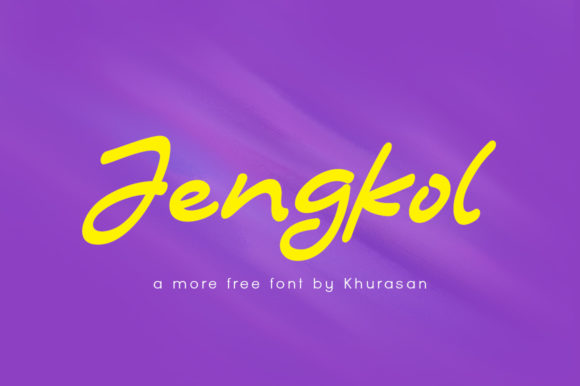
The visual personality of Jengkol is exactly what modern buyers are looking for. It strikes a delicate balance between casual charm and professional polish. Unlike some overly swirly display fonts that sacrifice readability for flair, Jengkol maintains clean lines and open counters, ensuring that your message gets across instantly. This makes it an excellent choice for packaging design where customers need to read ingredients or instructions at a glance. Whether you are creating labels for handmade soy candles, stickers for planner enthusiasts, or tags for boutique clothing, this creative font adds a trendy yet approachable feel that elevates the perceived quality of your goods.
Practical Applications for Handmade Products
One of the greatest strengths of Jengkol is its adaptability across various craft projects. Because it is a relaxed script, it works beautifully for short phrases, names, and titles, but it is also sturdy enough for slightly longer text blocks if spaced correctly. Here are a few ways I have integrated this font into my workflow:
- Candle and Soap Labels: The organic flow of the letters complements natural ingredients perfectly. It looks fantastic printed on kraft paper or clear vinyl.
- Wedding Stationery: From save-the-dates to welcome boards, Jengkol brings a personal touch that formal serif fonts often lack, making guests feel immediately welcomed.
- Seasonal Decor: I use it for farmhouse-style wooden signs and holiday ornaments. Its handwritten nature fits the "made with love" aesthetic of seasonal crafts.
- Digital Printables: For planners and wall art sold as downloads, Jengkol serves as an eye-catching header that pairs well with functional body text.
- Apparel and Totes: When using heat transfer vinyl or sublimation, the bold strokes of this typeface hold up well, even on textured fabrics like canvas tote bags.
When working with cutting machines like Cricut or Silhouette, readability is paramount, especially for small stickers or product tags. Jengkol excels here because the letterforms do not overlap excessively, reducing the risk of weeding nightmares or torn vinyl. However, a practical tip for any crafter is to always test your size. While this handwritten font is legible, extremely small text under 10 points might lose some of its characteristic charm. For product labels, I recommend sizing it up slightly to let the relaxed curves breathe, which enhances the premium look of your brand identity.
Elevating Brand Consistency and Customer Appeal
In the world of Etsy and handmade markets, consistency is key to building a recognizable brand identity. Using a distinct commercial font like Jengkol across your packaging, social media graphics, and website headers creates a cohesive visual language. Customers begin to associate that specific handwriting style with your shop's quality and vibe. Because Jengkol feels authentic and human, it fosters an emotional connection, suggesting that there is a real person behind the products. This is crucial for logo design and watermarks, where you want to stand out without appearing corporate or cold.
Furthermore, the versatility of this freebie extends to how it influences perceived value. A simple glass jar of jam can transform into a gourmet gift simply by applying a label with a well-chosen script font. Jengkol's trendy feel signals to the buyer that the product is current and thoughtfully designed. It avoids the generic look of default system fonts, giving your items a custom, boutique appearance that justifies a higher price point.
Smart Font Pairing Strategies
To get the most out of Jengkol, pairing it with the right secondary font is essential. Since Jengkol is expressive and fluid, it needs a partner that provides structure and stability. I highly recommend pairing it with a clean sans serif font for body text or ingredient lists. The contrast between the organic script and the geometric simplicity of a sans serif creates a modern, balanced layout that is easy to read.
Alternatively, for a more traditional or elegant look, such as in wedding invitations, you might pair Jengkol with a classic serif font. This combination works well for formal events where you want the warmth of handwriting mixed with the authority of traditional typography. Avoid pairing it with other busy scripts or overly decorative display fonts, as this can create visual clutter that distracts from your message. The goal is to let Jengkol shine as the star of the show while the supporting font handles the heavy lifting of information delivery.
Technical Considerations and Licensing
Before diving into your next project, it is important to check the specific file formats included with Jengkol. Most modern fonts come in OTF or TTF formats, which support a wide range of design software. Look for features like alternates, ligatures, or swashes, which can add unique flourishes to your designs and prevent repetition in words that appear multiple times. While the description highlights its versatility, always verify multilingual support if you plan to sell internationally or create designs for non-English speaking clients.
Finally, a critical note on licensing: even though Jengkol is listed under Freebies, you must review the license agreement carefully before using it for commercial purposes. Many free fonts allow personal use only, while others permit selling physical products like shirts or mugs but restrict selling the font file itself or digital templates where the font is editable. As a seller of physical goods, ensuring you have the correct commercial font license protects your business from legal issues and supports the type designer. Always confirm if the license covers web design, social media graphics, and merchandise to ensure your design assets are fully compliant for your specific business model.
By integrating Jengkol thoughtfully into your creative process, you can enhance the aesthetic appeal of your products, streamline your design workflow, and connect more deeply with your customers. It is a testament to how a single, well-crafted typeface can become an indispensable tool in a maker's toolkit.